
Are Hot Rods Street Legal?
Are Hot Rods Street Legal? How to Make Your Hot Rod Comply with the Law
Building a hot rod that fires on all cylinders feels incredible, but at some point, the question hits everyone: Are hot rods street legal? The short answer is yes, though you’ll need to check a few boxes before rolling out onto public roads.
Every state treats custom builds a little differently, so your setup, paperwork, and parts play a big role in how smoothly the process goes. With the right planning and the right hot rod parts, you can build something that turns heads at a stoplight without attracting the wrong kind of attention. Let’s get into it.


Are Hot Rods Street Legal in the United States?
Hot rods can be street legal across the country, though the rules shift quite a bit from state to state. Some regions approach custom builds with relaxed guidelines that make the process straightforward. Others take a firmer stance with inspections, emissions rules, and equipment checks. Understanding how your state defines a custom vehicle plays a huge part in how easily your build gets plated.
Many states group hot rods into categories that dictate what paperwork you file, what equipment you need, and what type of inspection you face. The classification determines how the DMV views your car and helps you predict what’s required to keep your ride compliant.
How States Classify Hot Rods
Most hot rods fall under one of the following categories, even if the terminology changes from state to state:
- Custom-built or assembled vehicles: These are cars built from the ground up using aftermarket frames, engines, or bodies. States usually require detailed documentation for major components.
- Antique or classic vehicles: Older, original vehicles that have been restored or lightly modified may qualify for plates based on age, which sometimes provides exemptions from emissions testing.
- Replica vehicles: These are modern builds that mimic classic designs. Regulations vary depending on whether the chassis, drivetrain, or body meets certain definitions.
- Modified production vehicles: These begin as standard factory-built cars and are then altered. They often follow equipment rules tied to the original model year.
Knowing where your build fits helps you understand the legal landscape and sets clear expectations for the path toward a street-legal hot rod.
What Makes a Hot Rod Street Legal?
Once you know how your state categorizes your build, the next step is installing the equipment that keeps a hot rod compliant on public roads. Most states follow a similar checklist for lighting, safety gear, visibility, and basic roadworthiness. Getting these fundamentals right removes most of the headaches people run into when trying to confirm their hot rod is street legal.
Required Lighting and Visibility
Every state requires functional lighting, though the exact specs can shift slightly by region. In general, your setup needs:
- Headlights with high and low beams
- Tail lights and brake lights
- Turn signals that are bright enough to be seen in daylight
- A license plate light
- Side markers or reflectors in some regions
Builders often upgrade to LEDs for reliability and sharper output. The key is staying within DOT guidelines for brightness and color. Clean wiring and reliable switches matter just as much as the bulbs themselves. Anyone researching how to make a hot rod street legal quickly learns that lighting is one of the first things inspectors check.
Mirrors, Windshield, and Wipers
Visibility rules are fairly consistent everywhere. Most states require:
- At least one exterior mirror
- A rear-view mirror, unless the body style blocks the line of sight
Windshields are usually mandatory, and most states expect them to be made from safety-rated glass. Some open-roadster exemptions exist, though they aren’t universal. If your car has a windshield, even a small one, assume you’ll need at least one functioning wiper.
Exhaust and Noise Compliance
Noise restrictions vary from laid-back rural counties to strict metropolitan inspection zones. A muffler is required almost everywhere. Cutouts, straight pipes, and bypass valves can cause issues depending on the region. Noise limits often fall within a decibel range measured at a set distance, and the rules are enforced more consistently in cities.
Seat Belts, Glass, and Basic Safety Equipment
Seat belt rules depend on the year of the car or the category under which it’s registered. Many states require belts in any vehicle used on public roads, regardless of vintage.
You’ll also need:
- DOT-approved glass
- A working horn
- Properly mounted fuel lines and tanks
- Brake lights that activate immediately under pedal pressure
Hot rods with these items squared away avoid most of the pitfalls that can stall the inspection process.

Emissions and Environmental Rules
Emissions regulations tend to cause the most confusion, partly because every state handles them differently and partly because the rules can vary depending on how the vehicle is registered. Some regions are fairly relaxed, while others enforce testing with a heavy hand. The important thing is knowing how your state evaluates a custom or classic build before you ever schedule an inspection.
Many states base emissions testing on vehicle model year, meaning an older chassis may qualify for exemptions or reduced testing expectations. Others base testing on the engine year, which means a modern powerplant may need to meet modern standards. Then there are states that exempt specialty, antique, or limited-use registrations entirely. Specialty plates can sometimes reduce or eliminate testing requirements, but that usually comes with mileage limits or driving restrictions.
How to Make a Hot Rod Street Legal Without Stress
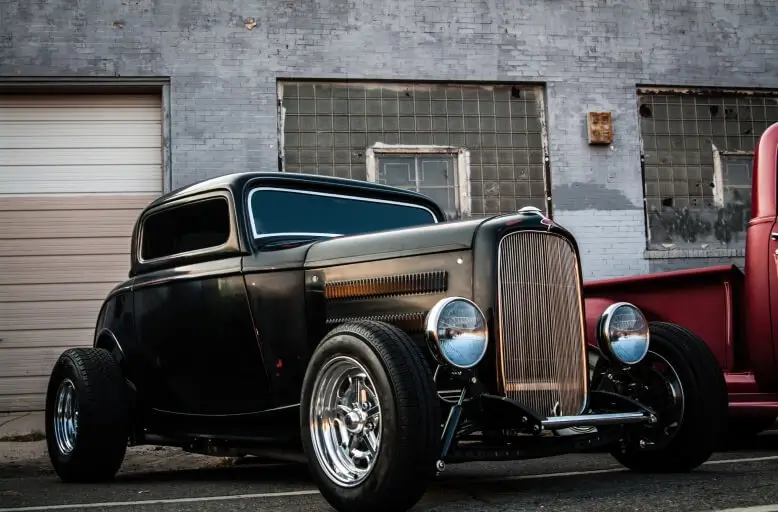
Building a street-legal hot rod comes down to planning, documentation, and using parts that make inspectors smile instead of sigh. The more intentional the build, the smoother the registration experience feels.
Plan the Legal Path Early
Before the first wrench turns, it helps to know which registration category your build is heading toward. Each category comes with different expectations for paperwork, inspections, and equipment. By choosing your path early, you can document everything and keep receipts, VIN tags, and component records organized. Inspectors appreciate clarity, and clean paperwork often speeds up approval.
Use Properly Rated Parts and Components
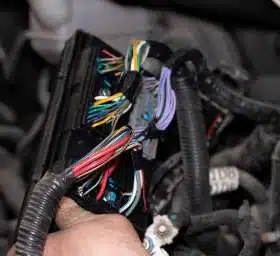
A car will struggle to pass inspection if the wiring is sketchy, the switches are unreliable, or the lighting output does not meet standards. Reliable wiring harnesses, clear labeling, dependable switch panels, and DOT-rated lighting reduce headaches. Companies like Watson’s StreetWorks build components with this mindset, supporting clean installs that work every time you hit the switch.
Get Ready for Inspections
Most states require at least one inspection, and some require multiple depending on the vehicle’s category. These checks may include:
- Safety equipment
- VIN verification
- Emissions (if applicable)
- Basic roadworthiness
Before heading in, take your time with a full walk-around. Check that lights respond instantly, signals blink evenly, mirrors are stable, exhaust is secure, and fuel lines are routed safely.

Street Legal Hot Rod Tips for Everyday Driving
Once your build is legal, the day-to-day habits you develop on the road help keep it that way. A street-legal hot rod draws attention, so it pays to stay mindful of how it behaves in traffic. Little details that don’t matter on a closed course can make a big difference on public roads.
- Keep your paperwork close. Registration, insurance, and any specialty certification should be easy to reach. Many builders also keep receipts or documentation for major components in a folder tucked away in the cabin, just in case a question comes up.
- Noise awareness is another good practice. Even with a compliant exhaust, throttle inputs can push the volume higher than local preferences. A calm foot around neighborhoods keeps everyone comfortable and avoids unnecessary attention.
- Bright LEDs look sharp, but aim and color must stay within legal ranges. A quick check against a garage wall now and then helps ensure everything is aligned.
- Finally, treat the road with respect. Hot rods have personality, and part of enjoying them is knowing when to lean into it and when to ease up. Smooth driving keeps the car in good shape, and it keeps the peace with the folks you share the road with.
Are Hot Rods in Danger of Being Banned?
Every once in a while, rumors swirl about crackdowns on custom vehicles, and it makes people wonder if street-legal hot rods are living on borrowed time. Fortunately, there is no sweeping nationwide effort to ban hot rods in the United States. Most states recognize the automotive hobby as a legitimate part of car culture and have put laws in place to regulate builds rather than eliminate them.
That said, regulations do evolve. Environmental standards tighten, safety expectations get refined, and registration programs can change. But as long as builders stay informed, keep cars mechanically sound, and follow the right registration paths, the future for street-legal hot rods remains strong.

Conclusion
So, are hot rods street legal? Absolutely, as long as the build respects the rules. Each state has its own mindset about custom vehicles, but the core idea stays consistent. If the car is safe, the paperwork makes sense, and it meets whatever emissions or inspection requirements apply locally, it can hit the road.
Hot rodding has always blended creativity and craftsmanship with just enough structure to keep things practical. With the right approach, you can enjoy the sound, feel, and attitude of a custom build without worrying every time you turn the key.
Get Your Hot Rod Street Legal With Watson’s StreetWorks
If you’re working on lighting, wiring, switches, or interior electronics, dependable components make the process smoother. Watson’s StreetWorks designs parts for real-world builds, helping keep hot rods functional, compliant, and a lot easier to enjoy on public roads. Clean installs, strong performance, and modern reliability support the goal of a truly street-legal hot rod. Explore parts, plan the next upgrade, and keep your project moving forward today.
Frequently Asked Questions About Street-Legal Hot Rods
Can I register a hot rod as an antique or classic car to bypass certain street-legal requirements?
Sometimes. Antique or classic registration can ease emissions rules or inspection intensity in certain states, but it doesn’t remove the core safety requirements. Lighting, mirrors, brakes, seat belts when required, and a clean VIN are still expected. Many states also limit mileage or usage under antique plates, so it’s smart to read the fine print before choosing that route.
Can I legally drive my hot rod outside my home state or country?
Yes, as long as the car is legally registered, insured, and street legal in your home state. Other states honor that registration under federal reciprocity rules. If you cross into another country, such as Canada or Mexico, you may run into additional documentation or inspection expectations at the border, but most hobbyists who maintain proper paperwork travel without issues.
Are there restrictions on using vintage parts or original equipment in my hot rod?
You can use vintage parts, though they still need to function reliably and meet the safety standards set by your state. Original lighting or mirrors may need upgrades if they no longer meet visibility requirements. Older fuel or brake components may also require replacement for safety reasons. As long as the finished setup meets the rules, mixing original and modern components isn’t a problem.