
What Is a Hot Rod?
What Is A Hot Rod? A Guide to Classic and Modern Rides
Ask ten people, “What is a hot rod?” and you’ll hear ten stories that all point in the same direction. It’s a car shaped by someone’s hands, tuned with intention and pushed far past the limits it rolled out of the factory with. The idea came from early builders who stripped weight, tuned engines and chased every last mile per hour on open stretches of road and dry lake beds. Decades later, that spirit still pulls people back to the garage, eager to bring old steel to life in their own way.
This guide walks through the hot rod definition as it exists today, where it started and how it continues to evolve. Whether you favor classic shapes or modern tech, there’s room in this world for the exact kind of machine you want to create.



A Quick Look at the Hot Rod Definition
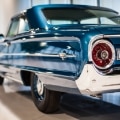
The easiest way to pin down the hot rod definition is to focus on intent. A hot rod is a car that’s been reworked for stronger performance and a look that shows off the builder’s own taste. The early versions leaned on lightweight bodies, big engines and simple cabins, which set the tone for the decades that followed. That same mix of power, personality and hands-on ingenuity drives the hobby today.
Ask longtime builders what a hot rod car needs, and you’ll hear variations on the same theme. A strong motor, a responsive chassis and a style that speaks for itself. Some favor traditional flathead setups. Others go straight for throttle body injection, reshaped frames or updated suspension. No matter the path taken, the goal stays the same: create something quick, memorable and unmistakably personal.
Origins of the Hot Rod Scene
The roots of hot rodding reach back to the late 1930s, when young builders started stripping weight from older cars and experimenting with whatever parts they could piece together. Wide open spaces in the Southwest created an unexpected proving ground. Dry lake beds like Muroc and El Mirage in California gave drivers a place to run flat-out, chase new top speeds and refine their builds in real time.
After World War II, the movement exploded. Surplus engines and machine shop skills were everywhere, and older Fords could be bought for pocket change. Flathead V8s became the heart of countless builds, and simple bodies like coupes and roadsters acted as blank canvases. Clubs formed, timing associations set rules and the culture surrounding hot rodding started to settle into something recognizable.
As the years rolled on, drag strips opened, magazines dedicated entire issues to new techniques and speed parts companies began shaping the aftermarket. The early DNA never faded. Performance came first, followed by creativity, and every finished car carried the fingerprints of the person who built it.
The Language of Hot Rodding
Every corner of car culture has its own vocabulary, and hot rodding built a rich one over the decades. The slang grew from garage talk, racetrack habits and the quick shorthand people use when they’re bent over an engine bay trying to explain what they just changed. Many of these terms still show up today, partly because they carry so much history and partly because they just sound right.
Here are a few phrases you’ll hear often:
- Souped-up: A catchall word for anything upgraded for stronger performance. Engines, carbs, ignition setups and even cooling systems get described this way once they’ve been tuned or rebuilt for more punch.
- Hopped up: Used for engines that have been pushed past stock performance with new internals, better breathing or sharper timing.
- Flatty or Flathead: Slang for early Ford flathead V8 engines, which shaped the earliest days of hot rodding.
- Mill: A casual way to refer to the engine, especially when talking about displacement or planned upgrades.
- Lakes pipes: Side-exit exhaust sections inspired by the setups used on dry lake racers.
- Chopped, channeled and sectioned: Three different ways builders reshape body lines. The words sound simple, but each one takes careful planning and skilled cutting.
- Frenched: Trim or lights recessed smoothly into the body for a custom look.
- Sleeper: A quiet, unassuming car hiding a serious drivetrain under the sheet metal.
Each term carries the weight of the era it came from, shaped by racers, fabricators and anyone who spent weekends chasing better results from familiar parts. Picking up the language helps you tune into that long-running conversation.
Types of Hot Rods You’ll See Today
Walk through any cruise night or major show, and you’ll see the full spectrum of builds, each with its own flavor. The variety has grown over the years, and the types of hot rods on the road today cover everything from nostalgic recreations to modern interpretations with serious power.
Traditional Highboys
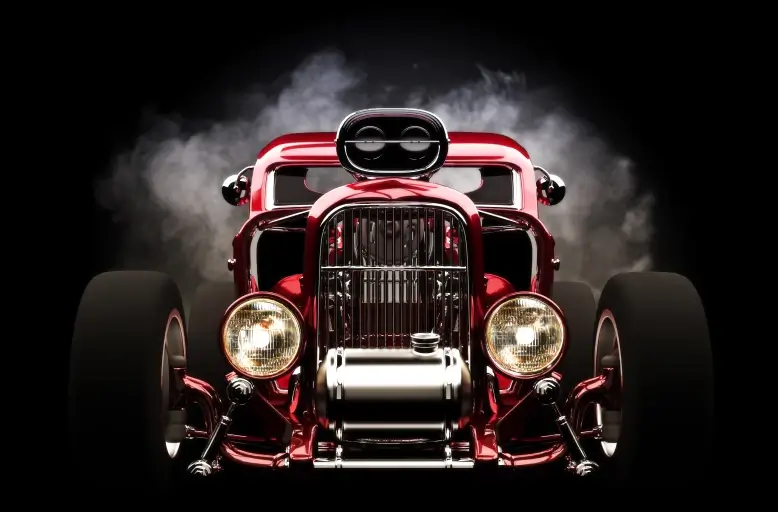
These are the classic fenderless cars that sit with the body perched above the frame rails. Builders often keep era-correct engines, narrow tires and simple interiors, which preserves the look that defined early rodding.
Lowboys
Similar roots, different attitude. Lowboys drop the body down over the frame for a lower profile and a more aggressive stance. The visual change alone shifts the whole character of the car.
Gassers
Known for their raised front ends and rowdy drag-race heritage. They borrow cues from 1950s and 1960s gasoline classes, often pairing straight axles with stout engines and bold graphics.
Restorods and Restomods
These blends combine classic shapes with modern hardware. Think updated wiring, coils, fuel injection, reliable brakes and cleaner drivability. They offer comfort without losing the soul of a vintage car.
Muscle-Era Customs
Plenty of builders turn to late-sixties and early-seventies aesthetics for hot rod inspiration. Big-blocks, modern overdrives, tuned suspensions and refreshed interiors show how flexible the idea of a hot rod has become.
Modern Performance Builds
Some cars start with late-model drivetrains or custom frames, which opens the door to stronger engines, independent suspension or high-end electronics. They keep the hot rod mindset alive through clean fabrication and creative engineering.
Across all these styles, the through-line stays clear. Each build shows what the owner wanted most from the car, whether that’s tradition, comfort, raw power or a mix of everything.
Hot Rod vs. Rat Rod: What Sets Them Apart?
If you’re just getting into car culture, it can be tough to distinguish the beloved rat rod from a traditional hot rod. They both grab attention, just in different ways. A hot rod usually features cleaner lines, purposeful upgrades and a finish that reflects careful planning. Builders put time into wiring, stance, engine choice and the overall flow of the car. Even when the look stays raw or traditional, the intent is to create a machine that feels balanced and thoughtfully shaped.
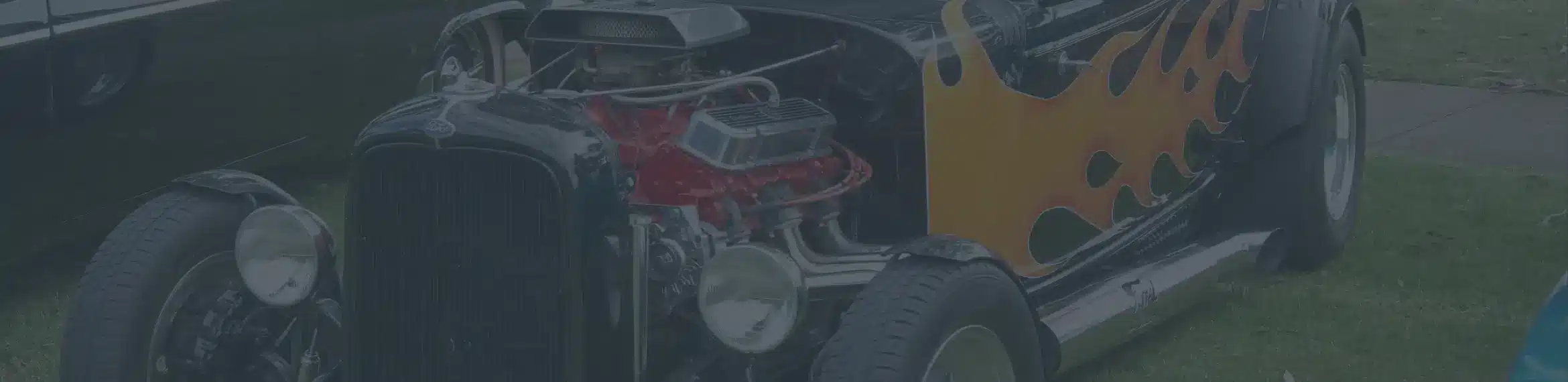
Rat rods follow a freer path. They rely on rough textures, visible welds, mismatched panels and a creative mix of found parts. The appeal comes from the attitude, not the shine. Some builders chase a vintage, weathered look. Others mix oddball components just for fun. Underneath the surface, many rat rods run strong drivetrains, but the outward style stays gritty by design.
Both approaches share a love for experimentation. One sharpens details. The other leans into chaos. Each route keeps the spirit of custom building alive in its own way.
Hot Rod vs. Street Rod: Wait, There’s Another Style?
The line between a hot rod and a street rod comes down to the priorities behind the build. A hot rod usually aims for a bold mix of performance and personality. The car might have a powerful engine, a tuned chassis and the kind of styling choices that stand out immediately. Builders often focus on speed, stance and the character that comes from hands-on fabrication.
Street rods take a smoother route. Comfort, drivability and day-to-day usability rise to the front. Many street rods run modern steering setups, updated brakes, dependable wiring and interiors with a finished, travel-ready feel. They shine on long cruises, organized events and gatherings where reliability matters as much as looks.
Both styles share the same roots, and plenty of cars land somewhere between the two. The hot rod vs. street rod comparison simply helps describe how the builder shaped the project. Each style has its own appeal, and both sit comfortably within the wider custom car community.
Are Hot Rods Street Legal?
Plenty of builders want to know, “Are hot rods street legal?” and the answer depends on each state’s rules. Most regions look at lighting, safety equipment, registration details and whether the major systems meet basic inspection standards. Classic frames and vintage engines aren’t a problem on their own. Authorities care more about whether the car’s wiring, brakes and essential components function reliably on public roads.
Some states also check for wipers, mirrors, horn functionality and secure fuel systems. Emissions rules vary widely. Older engines sometimes fall under exemptions, while newer combinations may follow different guidelines.
With a little planning, builders usually get their cars registered and out on the road without much trouble.

Essential Upgrades Worth Considering
Hot rodding has always been about finding better ways to squeeze performance and personality from a favorite platform, and today’s components open the door to upgrades that early builders could only dream about. Here are some of the upgrades that tend to make the biggest impact:
- Modern wiring harnesses with organized routing and dedicated fuse protection
- LED headlights, brake lights and turn indicators for stronger visibility
- Clean switch panels and high-quality interior controls
- Secure latches, hinges and interior hardware for consistent operation
- Updated ignition components and keyless entry systems
Each of these changes adds a layer of reliability without taking away from the personality of the build. Watson’s StreetWorks offers a wide range of parts that make it easier to combine classic style with components built for today’s roads.
The Road Ahead for Hot Rod Culture
Hot rodding has never settled into one fixed shape, and that’s part of its appeal. Every build reflects a mix of taste, imagination and the kind of problem-solving that happens one late night at a time. Some people chase traditional looks. Others lean toward modern power or long-haul comfort. All of it fits under the same umbrella because the core idea remains unchanged: shape the car into something that feels right every time you fire it up.
Whether the goal is a highboy with vintage energy or something wild that breaks every rule, the process stays rewarding. The culture grew around experimentation, and it still encourages anyone who wants to bring an old chassis back to life or refine a project already on the road. As long as there are parts to bolt on and ideas to try, the world of hot rodding will never slow down.
Bring Your Build to Life With Quality Hot Rod Parts From Watson’s StreetWorks
A good hot rod thrives on smart choices, clean installs and components you can count on every time you turn the key. Watson’s StreetWorks carries the wiring kits, switches, lighting and interior hardware that help a project feel sorted from front to back. Whether you’re fine-tuning a classic or shaping something modern, our lineup makes it easier to tighten up the details and keep your project moving in the right direction.
Frequently Asked Questions About Hot Rods
What are some ways to modernize the interior of a hot rod?
A lot of builders start with the parts you touch and use the most. Clean wiring, organized switch panels and updated gauges make the cabin feel more refined right away. Keyless start kits, modern lighting and better interior hardware add comfort and reliability without losing the classic vibe.
Are there any specialty switches or controls for hot rods available from Watson’s StreetWorks?
Absolutely. Watson’s StreetWorks carries custom switch panels, push-button start kits, window controls and plenty of other interior pieces for hot rod applications. They’re designed to integrate into real-world projects, offering smooth operation and a look that fits both traditional and modern builds.
Can Watson’s StreetWorks products help my hot rod meet street legal requirements?
We can definitely point you in the right direction. Reliable lighting, clean wiring and solid grounding make inspections much easier, and those are all areas where Watson’s StreetWorks parts shine. Different states follow different rules, but components built for safety and consistency give your car a stronger footing when it’s time to hit the road.