

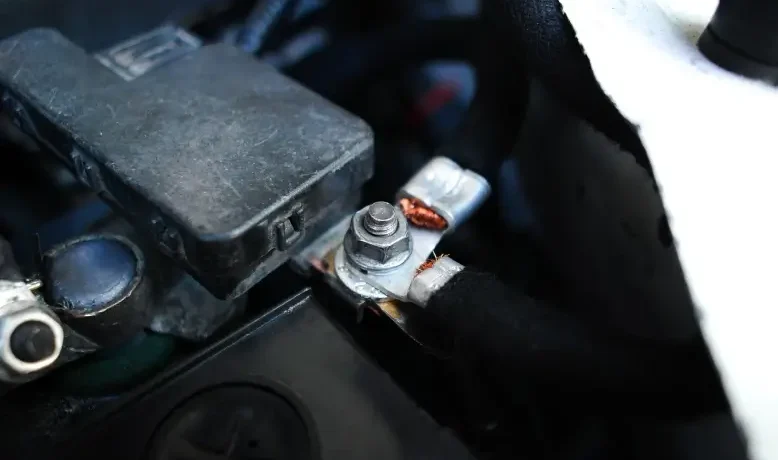
How to Identify Ground Points on a Car
How to Identify Ground Points on a Car
You can run the cleanest wiring harness this side of SEMA, but if your grounds are weak, your whole setup’s dead in the water. Power windows glitching? Starter dragging? Tail lights flickering in and out? Nine times outta is 10, that’s a ground issue. And yeah, it’ll drive you nuts.
The ground points on a car are the foundation for every circuit under the hood and behind the dash. But, they’re also easy to miss, especially in hot rods and street machines where nothing’s bone-stock and everything’s been hacked, shaved, or customized. That’s why in this article, we’ll walk through where to find your ground points, how to test them, and how to make sure your setup meets real-world automotive grounding standards. Let’s get started!





The Basics of Automotive Grounding (Without the Boring Stuff)
So, what is a ground wire in a car? Simple: it’s the return path. Every powered component in your ride—starter, gauges, electric fan, you name it—needs somewhere for current to flow back to the battery. That’s your ground. And in most classic or custom builds, you’re dealing with a negative-ground system, which means the whole chassis becomes part of the circuit.
Stock vs. Custom & Where Things Go Sideways
Now, here’s where it gets fun. On a bone-stock ride, grounding is usually baked in from the factory: solid points on clean metal, well-placed straps, everything fine-tuned. But we’re not talking about factory cars here. We’re talking hot rods, street rods, one-offs, and restomods where every inch has been modified, coated, or shaved. That’s when grounding becomes a bit of an art form.
If your ground wire is bolted to:
- A painted surface
- A rusty bracket
- A fiberglass panel
- Or a part that’s isolated by bushings or seam sealer
…it’s not grounding anything. It might look connected, but it’s not flowing current, and that’s when electrical gremlins show up. And if you’ve got electronics from different eras (or aftermarket wiring gear that’s power-hungry), you’ll want to make damn sure your grounds are clean, tight, and deliberate.
Where to Find Ground Points on a Car
When it comes to grounding, the goal is simple: every circuit needs a clean, solid return path to the chassis. But knowing where those ground points live—and whether they’re doing their job—is what separates a smooth-running build from one that throws electrical fits on every cruise night.
Primary Ground
Start at the source. That big ol’ cable running from your battery’s negative terminal should land solidly on bare metal, usually the frame, a chassis crossmember, or the engine block. This is your system’s main ground. If it’s loose, rusty, or bolted to anything painted, you’re gonna have issues.
If you’re still running the stock cable on a modified ride, it’s probably time to upgrade. Aftermarket accessories pull more juice, and your ground needs to keep up.
Engine Block Ground
Even if your battery’s grounded to the frame, your engine needs its own direct path. That’s usually a braided strap or thick wire from the block or cylinder head to the frame or firewall. It’s what closes the loop for your starter, alternator, and ignition.
No engine ground = weak crank, slow charge, and all-around frustration.
Body Grounds
This is where most builders get tripped up. Your chassis might be grounded, but are your body panels? Not always. Dash circuits, dome lights, relays, horns, and gauges all need a clean tie-in to the ground network.
Look for small ground wires screwed to:
- The firewall
- Kick panels
- Core supports
- Under the dash behind gauge clusters
Don’t assume your lights or accessories are grounded just because they’re bolted to metal. On fiberglass bodies or freshly painted sheet metal, that bolt might as well be floating.
Component-Specific Grounds
From cooling fans to EFI systems, fuel pumps, and RFID ignition modules, everything wants its own piece of the ground pie. Don’t daisy-chain grounds unless you know what you’re doing. And definitely don’t ground sensitive electronics to a bolt that’s already overloaded with other accessories.
When Grounds Go Bad: What to Watch For
A bad ground won’t always throw a smoke show. Most of the time, it’s sneakier than that. One day your headlights are bright, the next they’re glowing like cheap candles. Or your starter sounds like it’s had one too many. These are dead giveaways that your automotive grounding isn’t doing its job.
Here’s what to look out for:
- Flickering or dim lights: Especially when revving or hitting the brakes? Yeah, check your grounds.
- Weak or inconsistent cranking: A tired-sounding starter doesn’t always mean a bad starter. It might just be fighting through resistance.
- Jumping gauges or erratic readings: If your dash looks like a haunted pinball machine, chances are you’ve got a floating ground somewhere behind the scenes.
- Electronic glitches: Modern upgrades like push-button start systems or LED lighting (hello, Watson’s StreetWorks fans) are especially sensitive to weak grounds. Random shutdowns, buzzing relays, or misfiring modules usually point back to a grounding issue.
- Overheating wires or mystery voltage drops: Grounds gone bad can backfeed through places they shouldn’t. That’s when things get spicy, and not in a good way.
If your car’s doing weird stuff and you’ve already checked fuses and wiring, put the multimeter down for a second and inspect your ground points. It’s a classic case of simple problems hiding in plain sight.
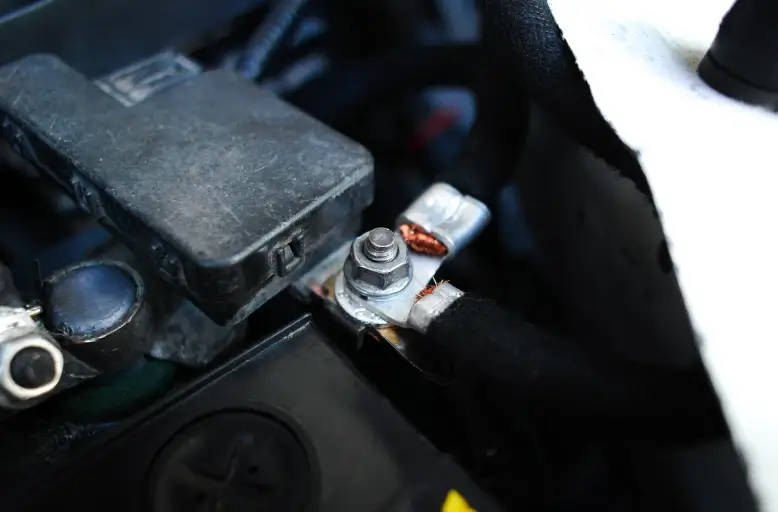
How to Fix or Create New Ground Points
When it comes to automotive grounding, you don’t need a degree in electrical engineering. You just need good habits, the right tools, and a healthy respect for clean metal. Whether you’re rewiring the whole car or just buttoning up a few sketchy connections, here’s how to make sure your grounds are solid.
Strip to Bare Metal
If you’re grounding to a surface that’s anything but shiny steel or aluminum, you’re creating resistance right out of the gate. Use a wire wheel, flap disc, or even a hand file to knock things down to clean, raw metal. If you’re grounding through a bolt or panel, make sure the mating surface (not just the bolt head) is bare, too.
Use the Right Hardware
A loose ground is a useless ground. When locking things in place, go with:
- Star washers: They bite into metal and maintain contact over time.
- Ring terminals: Crimped tight and heat-shrunk, they make life easier.
- Self-tapping screws or riv-nuts: Great for adding new ground points where no stud exists.
- Dielectric grease: Helps prevent corrosion without hurting conductivity (just don’t glop it on the contact surface).
Torque everything snug, then give it a tug. If it moves, redo it.
Keep It Short and Solid
The longer the wire, the more resistance it builds. Whenever possible, keep your ground wires short and direct. Route them cleanly and zip-tie them out of harm’s way.
Also: match your wire gauge to your load. A 12-gauge ground isn’t gonna cut it for a cooling fan drawing 30 amps.
Don’t Let Ground Loops Haunt You
This one’s for folks adding multiple grounds in different spots: if everything’s not referencing the same ground path—like the chassis—it can create electrical interference or voltage drops.
The fix: use a dedicated ground bus bar. Run that straight to the frame or battery-negative, and keep everything centralized.
Wire It Right from the Ground Up With Watson’s StreetWorks Gear
Trust your ride to gear built for the long haul. From smart ignition kits to precision lighting and wiring components, Watson’s StreetWorks makes the parts that keep classic cars grounded, connected, and running like they should. If you’re chasing clean installs and bulletproof performance, it’s time to wire it right, straight from the source.
Frequently Asked Questions: Ground Points on a Car
Even seasoned builders run into grounding issues from time to time. These quick answers clear up some of the most common questions about ground points on a car and how to keep your system rock solid.
What happens if a wire isn’t grounded properly?
If a wire isn’t grounded correctly, the circuit won’t complete, and that means your component either won’t work at all or will act flaky. You might see flickering lights, slow cranking, glitchy gauges, or random electrical failures that make no sense until you chase the ground.
Can poor grounding affect fuel injectors or sensors?
Definitely. Modern sensors and fuel injectors rely on precise voltage signals, and bad grounds can throw everything off. That leads to misfires, erratic idle, poor fuel economy, or a “check engine” light that keeps coming back no matter what you swap out.
How do I test if my ground connection is good?
Grab a multimeter, set it to DC volts, and check the voltage drop between your component’s ground and the negative battery terminal while it’s under load. You want that number to be as close to zero as possible; anything above 0.2 volts, and it’s time to clean or rework your ground.